Plumbing Frozen Pipe Surge Scheduling for Winter (2026)
You cannot add plumbers the morning the pipes burst, but you can decide in October what that morning will look like.
TL;DR
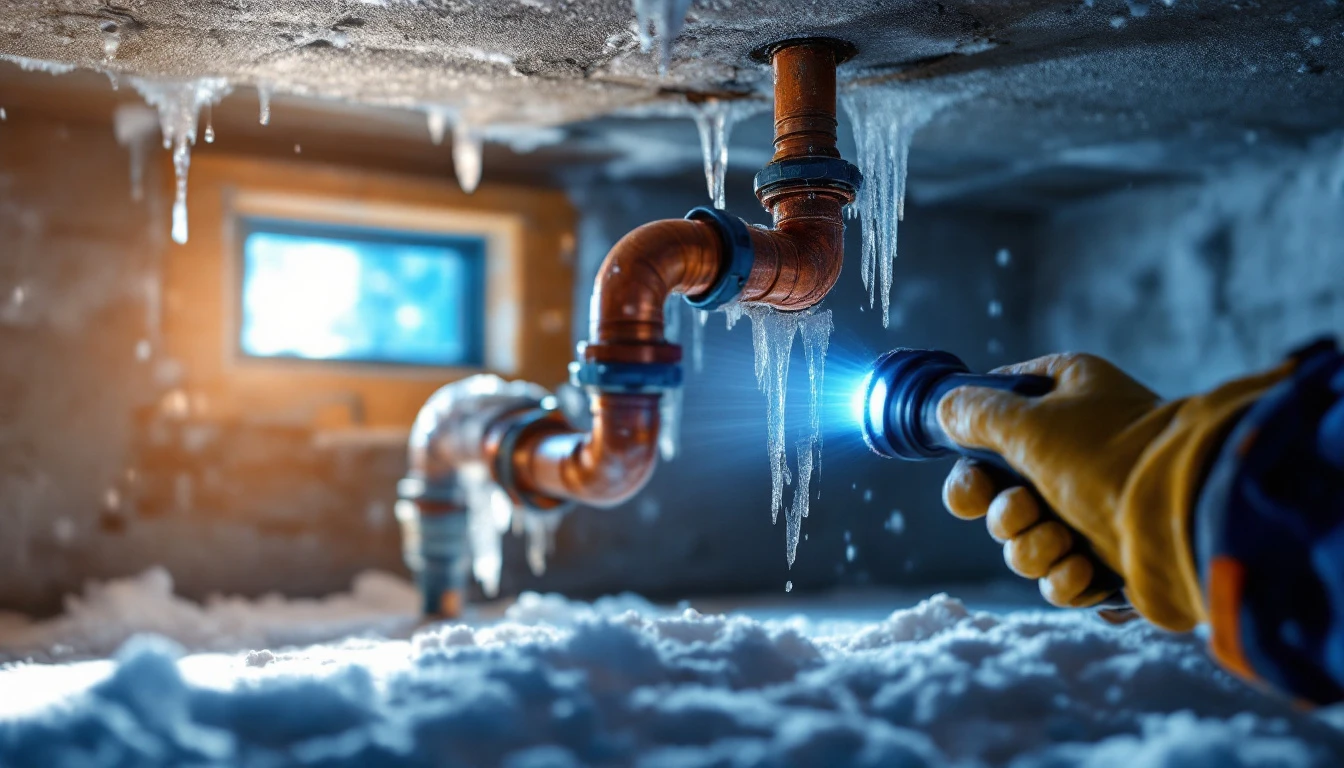
The first hard freeze of the season compresses weeks of emergency work into a day or two. Every plumbing shop in town gets the same calls at the same time, and the ones that cope are the ones that decided beforehand how they would triage, who would be on call, how much routine work they would clear, and what they would say to the people waiting. As of October 2026, the preparation that matters most happens in the fall: winterization visits booked through October and November, a written set of priority tiers, an on-call rotation with a second person for freeze nights, message templates ready to send, and trucks stocked for repair after repair.
This guide is organised by time: what to do before the cold, what to do in the forty-eight hours around the freeze, and what to do in the week after. The general approach to mixing urgent and planned work is in emergency versus scheduled jobs dispatch triage, and this post applies it to one specific, predictable surge.
Before the cold: October and November
Sell winterization while the calendar is calm
The best freeze call is the one that never happens. Fall is when you can prevent some of them and get paid for it.
Build a simple winterization visit: shut off and drain exterior hose bibs, check for exposed lines in crawlspaces, garages, and attics, insulate what is reachable, locate and tag the main shut-off, and show the customer how to use it. For vacant homes, rentals between tenants, and seasonal properties, a full drain-down is a larger job with its own price and time block.
Then go to your list. Customers who had a frozen or burst pipe in a past winter come first. Property managers and owners of vacant homes come next. After that, anyone in an older home with a crawlspace. A short message with a booking link does most of the work, and online booking lets a customer pick a slot without calling the office. Online booking is included from the Starter plan.
Group the visits by neighborhood where you can so a tech does four in a morning instead of four across town. How to plan a season's demand in advance is covered in seasonal demand scheduling.
Write the tiers down
Decide your priority tiers now and print them next to the phone. A workable set:
- Active water, cannot be stopped. Flooding in progress, or a shut-off that is stuck or cannot be found.
- Burst, water off. The damage has stopped, but the home has no water.
- Frozen, not split. No water at some fixtures, no leak yet. This becomes tier one or two when it thaws, so it is not low priority for long.
- Can wait. Dripping faucets, slow drains, quotes, and anything that was not caused by the cold.
Add the modifiers you believe in: a household with an infant, an elderly resident, or someone with a medical need moves up a tier. Existing maintenance customers may move up too. Whatever you choose, write it down so the rule is the shop's and not the dispatcher's mood.
Set the on-call rotation and its limits
Publish the winter rotation before it is needed. On a normal night one person on call is enough. On a forecast hard-freeze night, add a second. Agree in advance what on-call pays, how many hours in a row anyone works, and what happens the morning after a long night. The structure for this is in after-hours on-call scheduling.
Stock the trucks and prepare the messages
Repair couplings, pipe in your common sizes and materials, caps, valves, torches or press tools, heat tape, and thawing equipment go on every truck. A supply house run during a freeze is an hour you will not get back, and the supply house will be short of the same parts everyone else wants.
Write your message templates now too: the reschedule notice for routine customers, the "you are on our list" confirmation, the shut-off instructions, and the update for people still waiting. Writing them on a quiet afternoon produces better messages than writing them with the phone ringing.
How the freeze-response approaches compare
| Approach | Who gets served first | What waiting customers hear | Routine work during the freeze | What it costs you |
|---|---|---|---|---|
| First come, first served | Whoever called earliest | Nothing until a truck is free | Stays on the calendar | Flooding homes wait behind dripping faucets |
| Triage on the day, no prep | Whoever sounds most urgent | Varies by who answers | Cancelled in a scramble | Dispatcher overload and inconsistent promises |
| Written tiers, held capacity | Highest tier, then nearest | Shut-off steps, a time range, a next update | Moved ahead of time with new dates | A day or two of deferred routine revenue |
| Tiers plus fall winterization | Highest tier, with fewer calls overall | Same as above | Moved ahead of time | Marketing effort in October and November |
The first two rows are where most shops find themselves the first time. The bottom two are a choice you make in the fall.
The forty-eight hours around the freeze
Clear the calendar when the forecast firms up
When a hard freeze is forecast a couple of days out, move routine work. Water heater installs that are not urgent, fixture replacements, and estimates can shift to the following week. Send the reschedule message with the new date already offered, not a vague promise to call back.
This is the held capacity that makes triage possible. If the calendar is full of planned jobs, every emergency bumps a customer who was promised a time. If it is clear, emergencies simply fill it.
Answer every call, even when no truck is free
During the surge the phone is the bottleneck. A caller who gets voicemail hangs up and dials the next plumber. Put a second person on the phones if you have one. If you do not, the AI receptionist, KeyBot, is included on the Pro plan and can answer when you cannot, gather the caller's name, address, and what is happening, and route urgent calls to the on-call tech.
Every intake asks the same questions: Is water running right now? Have you shut off the main? Do you know where it is? Is anyone in the home at particular risk? The answers set the tier.
And every caller gets shut-off instructions before the call ends. Talking a customer through closing their main valve takes two minutes and converts a tier one into a tier two, which is the most valuable two minutes of your day.
Dispatch by tier, then by distance
Within a tier, send the nearest available plumber. Crossing town for a call while a same-tier call sits two streets from the truck wastes the one resource you are short of. The dispatch board shows each tech on a live map with job status, so the dispatcher can see who is finishing where. Flag the top-tier jobs as emergencies so they stand out from the rest of the queue.
Keep repairs tight. During the surge the job is to stop the damage and restore water: cut out the split, repair, test, move on. The repipe, the insulation upgrade, and the relocation of a badly placed line are follow-up work. Note them on the job and quote them next week.
Tell waiting customers the truth, on a schedule
People will wait if they know where they stand. Each waiting customer should have three things: confirmation they are on the list, an honest time range (a half-day is more honest than an hour), and the time of the next update.
Then send the update when you said you would, even if the news is that you are running behind. With two-way SMS on the Pro plan, the office can message from the dashboard and see replies in one thread, which matters when a customer texts back that the leak has started again and needs to move up a tier.
Do not promise times to keep people from calling someone else. A broken promise during an emergency is remembered far longer than an honest "tomorrow morning."
Protect the people doing the work
Freeze work is cold, wet, cramped, and long. Enforce the hour limits you agreed in the fall. Rotate who takes the crawlspace jobs. Make sure the person who worked the night has a late start on the calendar, not just a verbal promise of one. A tired plumber with a torch in a crawlspace is a risk to the customer's house and to themselves. The same principle shows up in summer, and the HVAC version is in heat wave call surge triage.
The week after
Work the follow-up list
Every emergency repair generated notes: the line that should be rerouted, the hose bib that should be replaced with a frost-free one, the crawlspace that needs insulation, the customer who could not find their shut-off. That list is a week or two of good, calm work. Quote it while the customer still remembers the night their kitchen flooded.
Rebook the routine customers first
The customers you moved to make room did you a favor. Call them before you take new routine work, and give them first choice of slots.
Review the surge
Sit down with the team for half an hour. How many calls came in, and how many did you reach the same day? Where did the tiers work and where did the dispatcher have to improvise? What ran out on the trucks? Which winterization customers called anyway, and why? Write the answers into next October's plan. The plumber scheduling software page and the plumbing scheduling software guide show how job types, held capacity, and customer messages fit into one calendar for the rest of the year.
Frequently asked questions
How should a plumber prioritize calls during a freeze?
Sort by damage in progress, not by who called first. Active water that cannot be shut off comes first, then burst pipes where the water is off but the home has no service, then frozen lines that have not split, then everything that can wait a few days. Write the tiers down before the cold arrives so the person answering the phone is not deciding alone.
What should I tell a customer whose pipe burst when I cannot come right away?
Tell them how to shut off the main water valve, give them an honest time range, and tell them when they will hear from you next. A caller who has stopped the water and knows they are on the list will usually wait, while a caller who hears nothing for three hours books whoever answers next.
How much does GetTimePad cost?
GetTimePad is $79/mo Starter for one staff member, $199/mo Pro for up to five staff, and $499/mo Agency for unlimited staff. Scheduling, online booking, and automated reminders start at Starter, while two-way SMS, the KeyBot AI receptionist, Tech Mode, and live GPS land at Pro. Annual billing gives you two months free. See /pricing.
When should plumbers start booking winterization visits?
Start in October and aim to finish before the first hard freeze is typical in your area. Winterization is calm, schedulable work that fills the shoulder weeks, and every hose bib, crawlspace line, or vacant property handled in the fall is one fewer emergency call competing for a truck in January.
How much capacity should I hold open during a cold snap?
Hold enough that your highest tier of emergencies can be reached the same day, which for most small shops means clearing most routine work from the calendar as soon as a hard freeze is forecast. Move the routine customers with a clear message and a new date, and release held time back only once the calls slow down.
How do I run an on-call rotation during a freeze without burning out my plumbers?
Publish the rotation before winter, cap the hours anyone works in a row, and add a second person on call for forecast freeze nights. A plumber who worked until two in the morning should not be first out at seven, so schedule the recovery time on the calendar the same way you schedule the shift.
Related articles
Plumbing Scheduling Software in 2026: Dispatch, GPS ETAs & After-Hours Calls
2026 guide to plumbing scheduling software: dispatch emergency vs scheduled jobs, GPS ETAs, deposits, reminders, and an after-hours AI receptionist.
Read article →

HVAC Heat Wave Call Surge: Triage and Dispatch (2026)
2026 HVAC heat wave playbook: priority tiers for no-cool calls, held slots, honest ETAs, paused maintenance, on-call rotation, and a post-surge review.
Read article →

Water Damage Restoration Scheduling & Dispatch Software (2026 Guide)
2026 guide to scheduling and dispatch software for water damage restoration companies: 24/7 emergency intake, GPS dispatch, multi-day jobs, adjuster comms.
Read article →
Ready to try GetTimePad?
Live demo available. No signup required. Set up in under 5 minutes.
Try Live Demo