Pest Control Software in 2026: The Complete Buyer's Guide
Recurring routes, technician GPS, and automated reminders decide whether a pest control business scales or drowns in phone tag. Here is what to look for.

TL;DR
As of July 2026, pest control businesses live and die by three things: how well they manage recurring routes, how little time technicians waste driving, and how few appointments slip through the cracks. Good pest control software automates recurring monthly and quarterly visits, optimizes routes with live GPS, sends automated SMS and email reminders, and lets customers confirm or reschedule by text. GetTimePad bundles all of this — plus deposits, payments, review routing, and an AI receptionist — starting at $79/mo (Starter), $199/mo (Pro), and $499/mo (Agency). This guide walks through every capability that matters, how to evaluate it, and where the real return on investment comes from.
Who this guide is for
If you run a pest control company — solo operator, a three-truck crew, or a multi-branch outfit — and you are still juggling recurring accounts in a spreadsheet, a paper route book, or a generic calendar, this guide is for you. Pest control is unusual among service trades: most of your revenue is recurring, your work is geographically clustered, and a single missed quarterly visit can quietly end a contract. That combination makes the right software less of a convenience and more of an operating system for the whole business.
We will focus on what pest control software actually needs to do, not a feature checklist for its own sake. Every capability below maps to a specific cost you are already paying — in windshield time, in no-shows, in lost recurring revenue, or in the hours you spend on the phone instead of in the field.
Why recurring routes are the core problem
General appointment schedulers are built around one-off bookings. Pest control is the opposite. A typical account is on a monthly, bi-monthly, or quarterly plan, and the value of your business is the sum of those recurring visits continuing uninterrupted. If a quarterly customer's next service does not automatically appear on the calendar, it does not happen — and a lapsed treatment is how contracts silently churn.
Software built for recurring appointments solves this by generating the next visit automatically the moment the last one is completed. You set the cadence once — every 30, 60, or 90 days — and the system keeps the account on schedule indefinitely. That single feature removes the most dangerous manual step in the business: remembering to rebook. The U.S. Small Business Administration's guidance on managing operations repeatedly comes back to the same theme — systematize the repeatable work so owners can focus on growth rather than firefighting.
Route optimization: the drive-time dividend
Once you have dozens or hundreds of recurring accounts, the question becomes what order do we service them in? Pest control routes are dense and repetitive, which is exactly where route optimization pays off. Optimizing the sequence of a technician's stops means less backtracking, fewer miles, and more accounts serviced per truck per day.
The math is straightforward. If route optimization saves each technician 45 minutes of driving a day, that is roughly one extra service stop — every day, per truck. Across a three-truck operation over a month, that compounds into meaningful additional recurring revenue with no new marketing spend. GetTimePad pairs dispatch and route management with live GPS so the route is not just planned but visible in real time.
GPS vehicle tracking: seeing the whole fleet
Live GPS vehicle tracking does two jobs. First, it lets you reassign work intelligently — when an urgent bed-bug or wasp call comes in, you can see which technician is nearest and dispatch them without a round of phone calls. Second, it gives you an honest record of where trucks actually went, which matters for payroll accuracy, customer disputes ("your guy never showed"), and route planning.
For a growing pest control company, GPS is also a management tool. It surfaces the patterns you cannot see from the office: the tech whose routes run long, the accounts clustered in a way that begs for a dedicated day, the neighborhood where you could add density. GetTimePad includes GPS tracking on the Pro plan ($199/mo) — see the full pricing breakdown.
Automated reminders and two-way texting
Locked gates, missed appointments, and "I forgot you were coming" are among the most expensive small failures in pest control, because the truck still drove there. Automated SMS and email reminders fix most of it. GetTimePad sends a booking confirmation, then reminders ahead of every visit — including recurring quarterly stops that customers may have forgotten they were on.
Two-way texting closes the loop. Instead of playing phone tag, customers reply directly to confirm, reschedule, or leave a gate code. That conversation lands in the same system, tied to the account, so any dispatcher can see it. The impact on no-shows is well documented — we cover the mechanics in how to reduce no-shows, but the short version is that a timely nudge plus a one-tap reschedule link turns a would-be empty slot into a moved appointment.
Online booking and the AI receptionist
New customers increasingly want to book without calling. Online booking lets prospects see your availability and schedule an initial inspection or first treatment themselves, 24/7. That captures leads who would otherwise call after hours, hit voicemail, and dial the next company.
For the calls that do come in, GetTimePad's AI receptionist answers, qualifies, and books — so a technician up a ladder or under a house does not have to. If you are weighing whether an automated answer is good enough, our comparison of AI vs human receptionists lays out where each wins. The AI receptionist is included on the Pro plan.
Deposits, payments, and review routing
Two Pro-plan features punch above their weight for pest control specifically. First, payments and deposits: collecting a deposit at booking discourages no-shows on initial services, and taking payment in the field means you are not chasing invoices for recurring visits. Second, review routing — after a completed service, the system prompts happy customers to leave a public review, which is how local pest control companies win the map pack. We go deep on this in getting more Google reviews.
Reviews and recurring revenue reinforce each other. A steady flow of five-star reviews lowers your customer-acquisition cost, and a well-run recurring route keeps those customers long enough to ask. The Federal Trade Commission's guidance for businesses is worth reading on how to solicit reviews honestly — never incentivize or fabricate them.
Scheduling chemical applications the right way
Pest control involves regulated products, and scheduling software has a role to play — but know its boundary. GetTimePad lets you schedule a chemical or pesticide application like any other service: as a recurring or one-time appointment, assigned to the qualified technician, with the service window and any account notes attached. That keeps the logistics organized.
What general field service software does not do is enforce regulatory compliance. Applicator licensing, product label requirements, and application record-keeping are governed by the EPA and your state agency, and you must meet those obligations through the appropriate channels. Treat your scheduling platform as the tool that gets the right tech to the right property at the right time — not as your compliance system of record.
Comparing your options
Here is how the capabilities that matter most for pest control map to what to look for and where GetTimePad lands.
| Capability | Why it matters for pest control | GetTimePad |
|---|---|---|
| Recurring routes (monthly/quarterly) | Prevents silent contract churn | Auto-generates next visit at any cadence |
| Route optimization | Cuts drive time, adds stops per day | Included with dispatch + route management |
| Live GPS tracking | Reassign nearest tech, verify visits | Included on Pro ($199/mo) |
| Automated SMS/email reminders | Fewer locked-gate wasted trips | Included on all plans |
| Two-way texting | Confirm/reschedule without phone tag | Included |
| Online booking | Capture after-hours leads | Included |
| AI receptionist | Answer calls while techs work | Included on Pro |
| Deposits & payments | Protect against no-shows, speed cash flow | Included on Pro |
| Review routing | Win the local map pack | Included on Pro |
What it costs
GetTimePad pricing is public and flat. Starter ($79/mo) fits a solo operator with one technician. Pro ($199/mo) is the sweet spot for most growing pest control companies — up to five staff, and it adds GPS tracking, review routing, payments and deposits, automations, and the AI receptionist. Agency ($499/mo) covers unlimited staff, multi-location operations, and REST API plus webhooks for custom integrations. Annual billing gives you two months free — you pay for ten months and get twelve. There is a live demo with no signup, and setup takes under five minutes. Full detail lives at /pricing.
A realistic 30-day rollout
You do not have to boil the ocean. Week one: import your accounts and set every recurring plan to its correct cadence so nothing slips. Week two: turn on automated reminders and two-way texting, and publish your online booking link on your website and Google profile. Week three: enable GPS tracking and start using route optimization on your densest day. Week four: switch on deposits for initial services and review routing after completed visits. By the end of the month, the manual steps that used to eat your evenings — rebooking, confirming, chasing payment — are running themselves.
Frequently asked questions
What is the best pest control software for recurring routes?
The best pest control software handles recurring monthly and quarterly service natively — it should auto-generate the next visit, group nearby stops into an efficient route, and remind customers automatically. GetTimePad does all three, with GPS tracking, two-way texting, and payments on the Pro plan at $199/mo. Start with a live demo at /product or compare plans at /pricing.
How much does pest control software cost in 2026?
GetTimePad pricing is simple and public: Starter is $79/mo for one technician, Pro is $199/mo for up to five staff (adds GPS tracking, review routing, payments, automations, and the AI receptionist), and Agency is $499/mo for unlimited staff, multi-location, and API access. Annual billing gives you two months free. See full details at /pricing.
Can pest control software optimize technician routes?
Yes. Route optimization sequences a technician's stops so they drive less and service more accounts per day, which is critical for recurring pest control routes. GetTimePad combines dispatch and route management with live GPS vehicle tracking so you can see where every truck is and reassign the nearest tech to an urgent call. Learn more at /industries/dispatch-software.
Does pest control software send automated appointment reminders?
It should. GetTimePad sends automated SMS and email confirmations and reminders for every visit, including recurring quarterly and monthly stops, which cuts no-shows and locked-gate wasted trips. Customers can reply by two-way text to confirm or reschedule. See how reminders reduce no-shows at /blog/reduce-no-shows-service-business.
Can I take deposits and payments through pest control software?
Yes. On the GetTimePad Pro plan ($199/mo) you can collect deposits at booking and full payments in the field, which protects against no-shows and speeds up cash flow. Payments, review routing, and automations are all included at Pro — see /pricing for the full feature breakdown.
Does pest control scheduling software help schedule chemical applications?
GetTimePad lets you schedule any service type — including chemical or pesticide applications — as recurring or one-time appointments with the right technician, service window, and customer notes attached. It is general scheduling software, not a regulatory compliance tool, so follow EPA and state label and record-keeping requirements at https://www.epa.gov/ separately.
The bottom line
Pest control is a recurring-revenue business disguised as a service business. The software that runs it should treat it that way — automating the next visit, optimizing the drive, reminding the customer, and collecting the payment without a human touching any of it. That is exactly the problem GetTimePad was built to solve, and you can see it working in a live demo with no signup in under five minutes.
Next steps
Compare the best field service management software, explore the dedicated pest control software page, or jump straight to pricing and start a free demo today.
Related articles
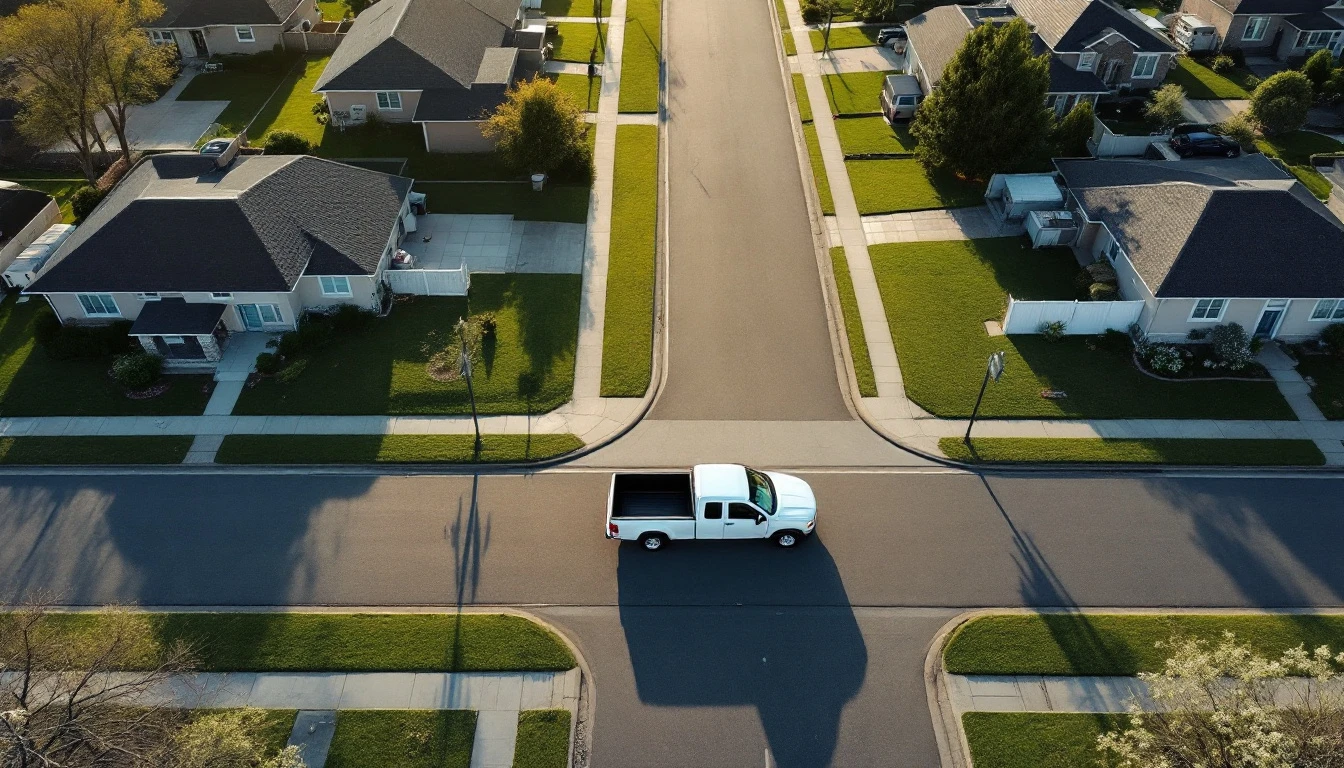
Pest Control Quarterly Routes: Build for Density (2026)
2026 guide to building dense quarterly pest control routes: zone days, service-day assignment, re-service calls, weather reschedules, and the density math.
Read article →

Landscaping Business Software in 2026: A Practical Guide
2026 guide to landscaping business software: recurring maintenance routes, seasonal scheduling, crew dispatch, GPS fleet tracking, online booking, and payments.
Read article →

How Online Booking and Reminders Cut Appointment No-Shows
No-shows quietly drain service-business revenue. Here is what the data says about online booking and automated reminders — and how to cut your no-show rate with software, not guesswork.
Read article →
Ready to try GetTimePad?
Live demo available. No signup required. Set up in under 5 minutes.
Try Live Demo