Lawn Care Scheduling Software in 2026: The Complete Guide
Route density and recurring visits are what separate a profitable lawn route from a busy one — here is how to build both into your schedule.
TL;DR
Lawn care scheduling software replaces spreadsheets and paper route sheets with a system built for recurring, route-based work. As of July 2026, lawn care runs on tight margins where drive time and skipped-visit disputes quietly erode profit, so the right platform focuses on three things: dense recurring routes, seasonal crew and frequency changes, and a clean record of every mow. GetTimePad brings a smart calendar, a mobile Tech Mode app, live GPS tracking, an online booking portal, and Stripe payments into one place. This guide covers what to look for, how the pieces fit a lawn route, and what it costs. If you run multiple crews, pair this with our route optimization guide.
Why lawn care scheduling is its own problem
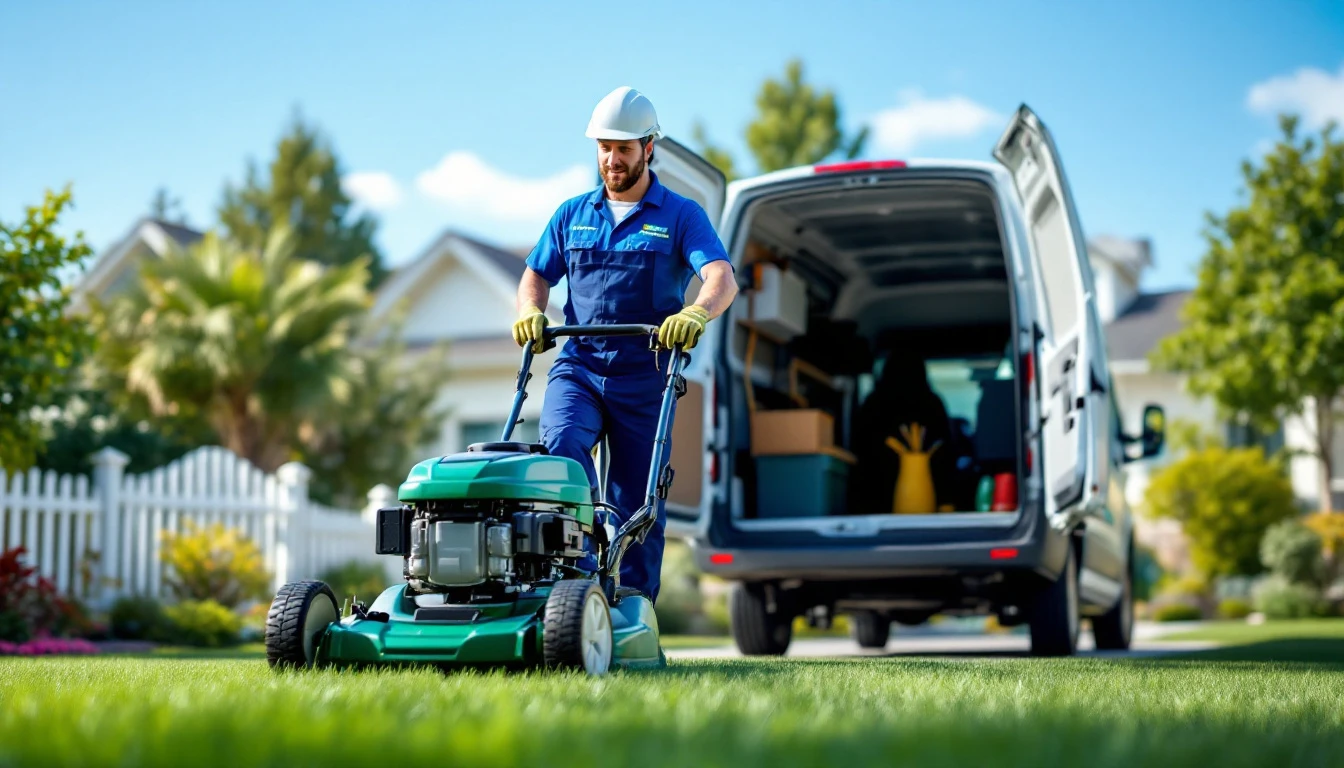
Most generic calendar tools were built for one-off appointments: a customer books a slot, someone shows up, the job closes. Lawn care almost never works that way. A typical account is a weekly or biweekly recurring mow that runs for an entire season and often for years, clustered with dozens of other properties on the same streets. The scheduling challenge is not "when can we fit this in" — it is "how do we mow 150 lawns every week in the fewest possible miles, in the right order, with the right crew, while proving each visit actually happened."
That combination — recurrence, route density, seasonal swing, and documentation — is what makes lawn care scheduling a distinct category. Industry research consistently finds that field-service businesses lose a meaningful share of each workday to unproductive drive time and administrative rework. For a mowing route, every extra minute between stops multiplies across hundreds of weekly visits. Software that shaves ten minutes off a daily loop is not a convenience; it is the difference between a crew closing 20 lawns a day and 24. The U.S. Bureau of Labor Statistics tracks employment in grounds maintenance, and in a labor-tight market getting more done per crew-hour is the whole game.
The four jobs a lawn care platform must do
- Build and maintain recurring routes without re-entering the same accounts every week.
- Flex frequency and crews with the season so labor and billing track demand.
- Capture service records and photos at the point of work, from a phone.
- Keep the customer informed with reminders, ETAs, and easy payment.
Everything else is a feature on top of these four jobs.
Recurring route-based scheduling
The heart of a lawn care business is the recurring route. Good software lets you set an account to "every Monday" or "every other Friday" once, and it populates the calendar for the whole season. When you add a new property on a street you already serve, the platform should slot it into the existing loop rather than creating an orphaned appointment across town.
With GetTimePad, recurring visits live on a smart calendar that understands crew assignment and job status. Each stop moves through a clear lifecycle — Unassigned, Dispatched, En Route, Arrived, In Progress, Completed — so an office manager can glance at the board and see exactly where every crew is on the route. When a customer cancels or upgrades, you adjust one recurring rule instead of deleting weeks of individual entries.
Route density is where the money is. Grouping properties geographically means a crew spends the day cutting grass, not sitting in traffic pulling a trailer across town. Live GPS and traffic-based ETAs (available on the Pro plan) let the office re-sequence a route mid-day when a job runs long or rain reshuffles the week, and downstream customers automatically get an updated arrival window. Our route optimization guide and broader landscaping software overview go deeper on how this works.
Handling seasonal demand and crews
Lawn care demand is famously lumpy. The peak growing season brings weekly mows, heavy treatment schedules, and cleanup jobs; the off-season collapses to biweekly service, leaf and snow work in some regions, or a near-total pause in others. A schedule and crew plan built for June will crush your margins in November, and one built for the off-season will leave you badly underbooked at peak.
Scheduling software solves this by making frequency and crew assignment settings, not rebuilds. You bump peak-season accounts to weekly, taper them back as growth slows, and the calendar plus recurring billing follow along. Because visit frequency and invoicing are linked, you avoid the classic seasonal error of mowing at peak frequency while billing at a flat annual rate — or the reverse. The online booking portal also absorbs the spring rush of new-customer requests without your phone ringing off the hook; homeowners self-schedule into the slots you make available, and the system confirms them automatically.
Seasonal swings are also when no-access and confusion spike — a locked gate, a dog in the yard, or a customer who forgot the crew was coming. Automated reminders blunt this. Our piece on reducing no-shows covers the reminder cadence that works best for recurring service.
Service records and photos
Nothing settles a lawn care dispute like proof the work happened. When a customer claims a week was skipped, or questions whether a treatment was applied, a timestamped completed-visit stamp with a before-and-after photo ends the conversation fast. It also demonstrates the value of the recurring visit to a customer who wonders what they are paying for.
The mobile app is where this happens. A crew member records completion, notes, and photos on a phone at the property, and those entries attach to the account's service history instantly. Because the record is tied to the job-status lifecycle, an "In Progress" stop that never reaches "Completed" is visible — you can tell at a glance which lawns got skipped. Combined with GPS arrival stamps, you get a verifiable chain from route assignment to completed, documented visit, which is exactly the accountability that our GPS fleet tracking guide describes.
Customer communication and payments
The best route in the world still leaks money at the edges: the customer who did not know you were coming, the invoice that sat unpaid for weeks, the one-star review from a miscommunication. Modern lawn care software closes those gaps.
Reminders and ETAs. Automated SMS and email reminders go out ahead of each visit, and live ETAs on the Pro plan tell the customer roughly when the crew will arrive. This is professionalism that costs you nothing per visit once configured.
Two-way texting. When a customer needs to leave a gate unlocked or move a visit, a two-way SMS inbox keeps that conversation in one place instead of scattered across personal cell phones.
Payments and auto-pay. Stripe-powered payments let you store cards for recurring auto-pay and collect for one-off cleanups or treatments on the spot. That alone can pull weeks of float out of your receivables and end the monthly ritual of chasing checks.
Reviews and after-hours calls. Smart review routing (Pro plan) nudges happy customers toward public reviews — our Google reviews guide covers the mechanics — and the AI receptionist answers and schedules new-customer calls when your crews are in the field and nobody is at a desk.
Comparison: what each GetTimePad plan gives a lawn care business
| Capability | Starter ($79/mo) | Pro ($199/mo) | Agency ($499/mo) |
|---|---|---|---|
| Staff included | 1 technician | Up to 5 | Unlimited |
| Smart recurring calendar | Yes | Yes | Yes |
| Online booking portal | Yes | Yes | Yes |
| SMS + email reminders | Yes | Yes | Yes |
| Live GPS + traffic ETA | — | Yes | Yes |
| Tech Mode mobile app (photos, notes) | — | Yes | Yes |
| Stripe payments & auto-pay | — | Yes | Yes |
| Two-way SMS inbox | — | Yes | Yes |
| Smart review routing | — | Yes | Yes |
| AI receptionist | — | Yes | Yes |
| Multi-location | — | — | Yes |
| REST API + webhooks | — | — | Yes |
A solo operator often starts on Starter for the calendar, booking, and reminders, then moves to Pro the moment they add a second crew and want GPS, mobile photo records, and auto-pay. Multi-branch operations and companies that need API access for custom integrations land on Agency. Full breakdowns live on the pricing page and the lawn care industry page.
Choosing the right platform
When you evaluate options, weigh them against the four core jobs above, then pressure-test the details:
- Does recurrence actually reduce work, or do you still touch every visit manually?
- Can a crew mark a job complete with a photo in seconds on a phone at the property?
- Do reminders and ETAs fire automatically, or require someone to hit send?
- Is recurring auto-pay built in, or bolted on through a clumsy hand-off?
- Will it grow with you from one truck to a multi-location fleet?
A quick way to see the workflow is a live demo — GetTimePad offers one with no signup, and typical setup runs under five minutes. You can compare approaches on our comparison page or explore the full product tour before committing.
Putting it together
A lawn care business is a route business. The scheduling software you choose should treat it that way — recurring visits that build dense, low-mileage loops; frequency and crews that flex with the season; a service record and photo log that documents every mow; and communication plus payments that keep customers informed and cash flowing. Get those right and you turn a schedule from a daily scramble into a quiet, profitable machine that runs the same way every week.
Start with the features overview, size a plan on the pricing page, and when you are ready, book the no-signup demo to see your own route on the board.
Frequently asked questions
What is lawn care scheduling software?
Lawn care scheduling software is a platform that automates recurring mowing and treatment visits, crew dispatch, route sequencing, customer reminders, and payment collection for lawn care and landscaping businesses in one system. Instead of managing accounts in spreadsheets and paper route sheets, everything lives in one place that treats recurring service as the default rather than the exception.
How does route-based scheduling help a lawn care business?
Route-based scheduling groups nearby properties into tight daily loops, which cuts drive time and fuel costs and lets a crew complete more mows per day without adding overtime or trucks, since drive time between stops multiplies across hundreds of weekly visits. Even small routing improvements compound into meaningful labor savings across a season.
Can lawn care software handle seasonal crews and demand?
Yes, lawn care software lets you scale recurring visit frequency and crew assignments up for the peak growing season and down in the off-season, so your schedule, labor, and billing automatically track real demand instead of a flat year-round plan. Because frequency is a setting rather than a manual rebuild, you avoid mowing at one cadence while billing at another.
Does lawn care software track service history and photos?
Modern lawn care software captures service notes, completed-visit stamps, and before-and-after photos from the crew's phone, building a timestamped history that proves each visit happened and protects you in billing or quality disputes. That record also demonstrates the value of the recurring visit to customers who wonder what they are paying for.
How much does lawn care software cost in 2026?
GetTimePad pricing is simple and public: Starter is $79/mo for one technician, Pro is $199/mo for up to five staff (adds GPS tracking, review routing, payments, automations, and the AI receptionist), and Agency is $499/mo for unlimited staff, multi-location, and API access. Annual billing gives you two months free. See full details at the pricing page.
Can lawn care customers book and pay online?
Yes, an online booking portal lets homeowners request one-time or recurring service any time, and Stripe-powered payments let you store cards for recurring auto-pay so mowing revenue collects automatically instead of chasing checks. That combination captures new customers after hours and ends the monthly ritual of billing by hand.
Related articles

Landscaping Business Software in 2026: A Practical Guide
2026 guide to landscaping business software: recurring maintenance routes, seasonal scheduling, crew dispatch, GPS fleet tracking, online booking, and payments.
Read article →
Irrigation & Sprinkler Repair Scheduling Software: The 2026 Operator's Guide
2026 guide to scheduling software for irrigation and sprinkler repair companies: seasonal startup surges, maintenance reminders, route clustering, deposits.
Read article →
Pest Control Quarterly Routes: Build for Density (2026)
2026 guide to building dense quarterly pest control routes: zone days, service-day assignment, re-service calls, weather reschedules, and the density math.
Read article →
Ready to try GetTimePad?
Live demo available. No signup required. Set up in under 5 minutes.
Try Live Demo